About
I keep moving closer to the machine.
I studied Computing and Commerce at Queen’s (honours, 2022–2026), then spent the summer of 2025 working on the PySpark and Hive layer behind logistics forecasting at Shopee. I am now in the M.S.E. program in Electrical Engineering at the University of Pennsylvania (2026–2028), moving further into systems and hardware.
The projects here range from multi-GPU inference and cache-aware routing to C++ storage experiments and small local models. They look different, but I keep returning to the same question: what is happening underneath the abstraction, and how can I make it observable? This semester that question is extending into firmware, SoC architecture and VLSI.
How I got here
- Queen’s Commerce + Computing
- Founder / Brix Turn recurring analysis into reusable tools
- Shopee Build and debug forecasting data pipelines
- Systems work Serving · storage · local models
- Penn EE Firmware · SoC · VLSI
Why I build
I first became interested in computing because ordinary software made me wonder what was happening underneath. What kept me there was the feedback: change the code, run it again, and something on the screen, or on a physical device, behaves differently. That feedback is part of why I chose to study Computing alongside Commerce.
I also dislike doing the same thing twice by hand. At Founder Securities and Brix that meant turning recurring reports into reusable tools. Now it means measuring the systems underneath: in RadixGates, a routing rule passed every simulated test but cut the cache hit rate on real llama.cpp workers, and that result stayed in the write-up.
How I approach a project
- Start from a decision. The text-to-SQL project asks whether a small model should ship as an autonomous answerer, and the answer is written as a decision, not as a score. See the note.
- Write down the acceptance criteria, and say where they came from. Mine were assumptions, and the README says so.
- Report the condition with the number. “611 ms p95” means an Apple M1, one request at a time; with four in parallel it is 1.4 s.
- Say what would change the conclusion. Every repository ends with its limits, and the routing result turned on the size of a cache. See the note.
Outside work
Latin dance and drawing are the two things I have kept up longest, about ten years each.
-
 Latin dance
Part of my life for about ten years.
Latin dance
Part of my life for about ten years. -
 Drawing
Another thing I have kept up for about a decade.
Drawing
Another thing I have kept up for about a decade. -
 Reading
I like worlds I can disappear into. Harry Potter is one I would happily go exploring in.
Reading
I like worlds I can disappear into. Harry Potter is one I would happily go exploring in. -
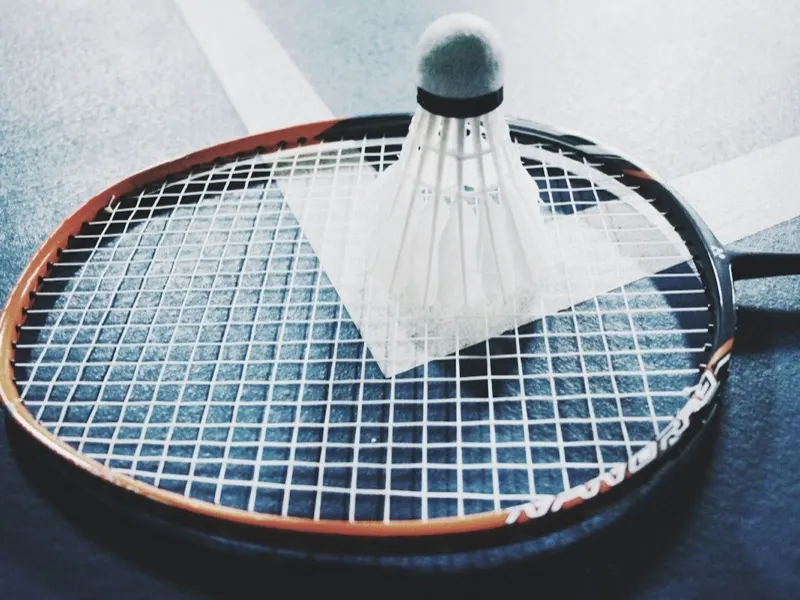 Badminton
Recreational, mostly for exercise.
Badminton
Recreational, mostly for exercise. -
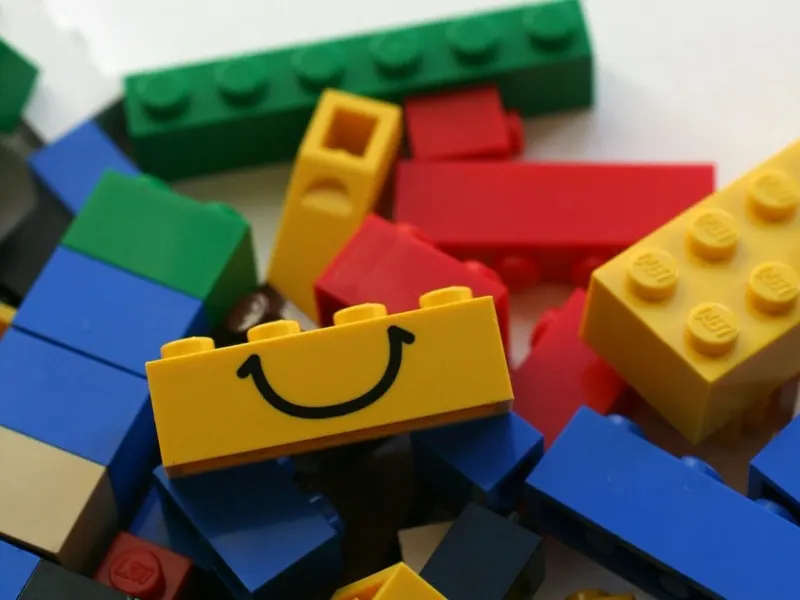 LEGO
I enjoy the building itself more than having a showpiece at the end.
LEGO
I enjoy the building itself more than having a showpiece at the end.
They are a different part of my life, but the habits are familiar: patience, repetition, and enjoying the process of making something better.